
Troubleshooting Guide
Dough divider repair Kenya bakeries call us about most often starts with the same complaint: portions that should be identical are coming out noticeably different weights. Here’s what’s usually behind it.
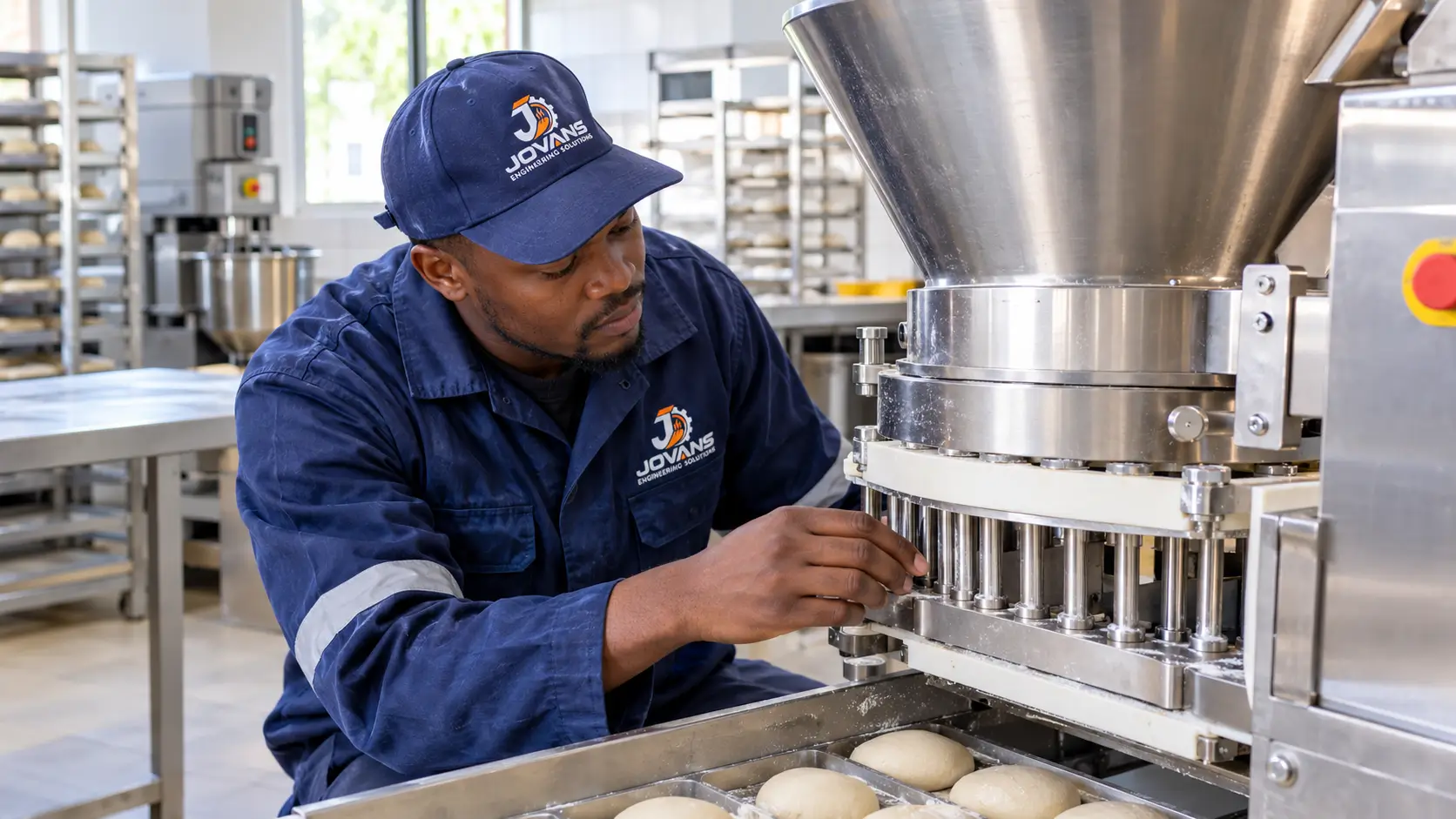
A dough divider works by pressing a measured block of dough through a grid of pistons under hydraulic or pneumatic pressure, cutting it into equal portions in a single stroke. That reliance on consistent, evenly distributed pressure is exactly why dough divider repair Kenya bakeries need so often comes down to one root cause: something in the pressure or cutting system has gone slightly out of balance, and portions that should be identical stop being identical.
Unlike a mixer or oven fault, which often shows up as a dramatic breakdown, a dividing fault tends to show up first as a quality problem, portions that are close but not quite right, before it becomes obvious there’s an actual mechanical issue. This guide walks through the most common causes behind uneven portions, so you can narrow down what’s actually happening before booking a repair visit.
Hydraulic Pressure Inconsistency: The Top Dough Divider Repair Kenya Callout
This is the most common root cause behind uneven dough portions. A divider depends on consistent pressure being applied evenly across the full grid of pistons, and anything that disrupts that consistency shows up directly in portion weight. Low hydraulic fluid, air trapped in the lines, or worn seals allowing pressure to bleed off unevenly across the piston grid are the usual culprits. This fault often shows a telling pattern: portions from one side or corner of the grid consistently differ from the rest, rather than random variation across the whole batch.
Worn Or Damaged Cutting Blades
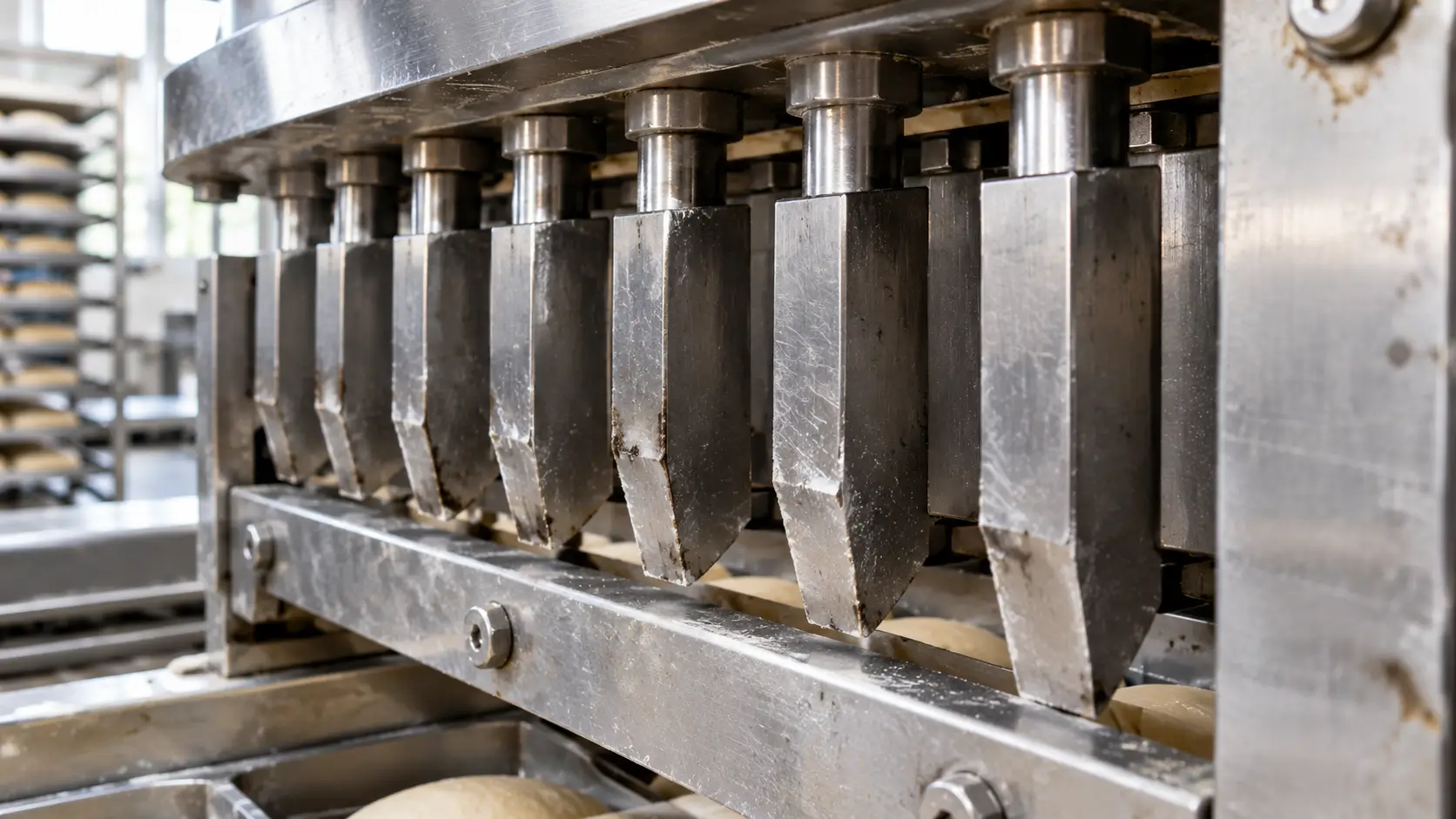
The blades or knives that actually separate the dough can dull or nick over time, especially with frequent use on stickier or higher-hydration doughs. A worn blade doesn’t cut cleanly, it tears or drags, which distorts the portion at the cut line and can throw off the weight of both adjacent pieces. This fault tends to produce a rougher, less clean-edged portion alongside the weight inconsistency, which helps distinguish it from a pressure-related cause.
Dough Sticking Or Poor Release
Most dividers use a light oil coating on the pistons and cutting surfaces to help dough release cleanly after each cycle. When that lubrication system isn’t working properly, whether from a clogged oil line, an empty reservoir, or a faulty oil pump, dough sticks to the plate or pistons instead of releasing fully. Sticking dough doesn’t just slow production, it directly distorts the next cycle’s portions, since dough left behind changes how much material actually gets pressed and cut the following round.
Divider Head Misalignment
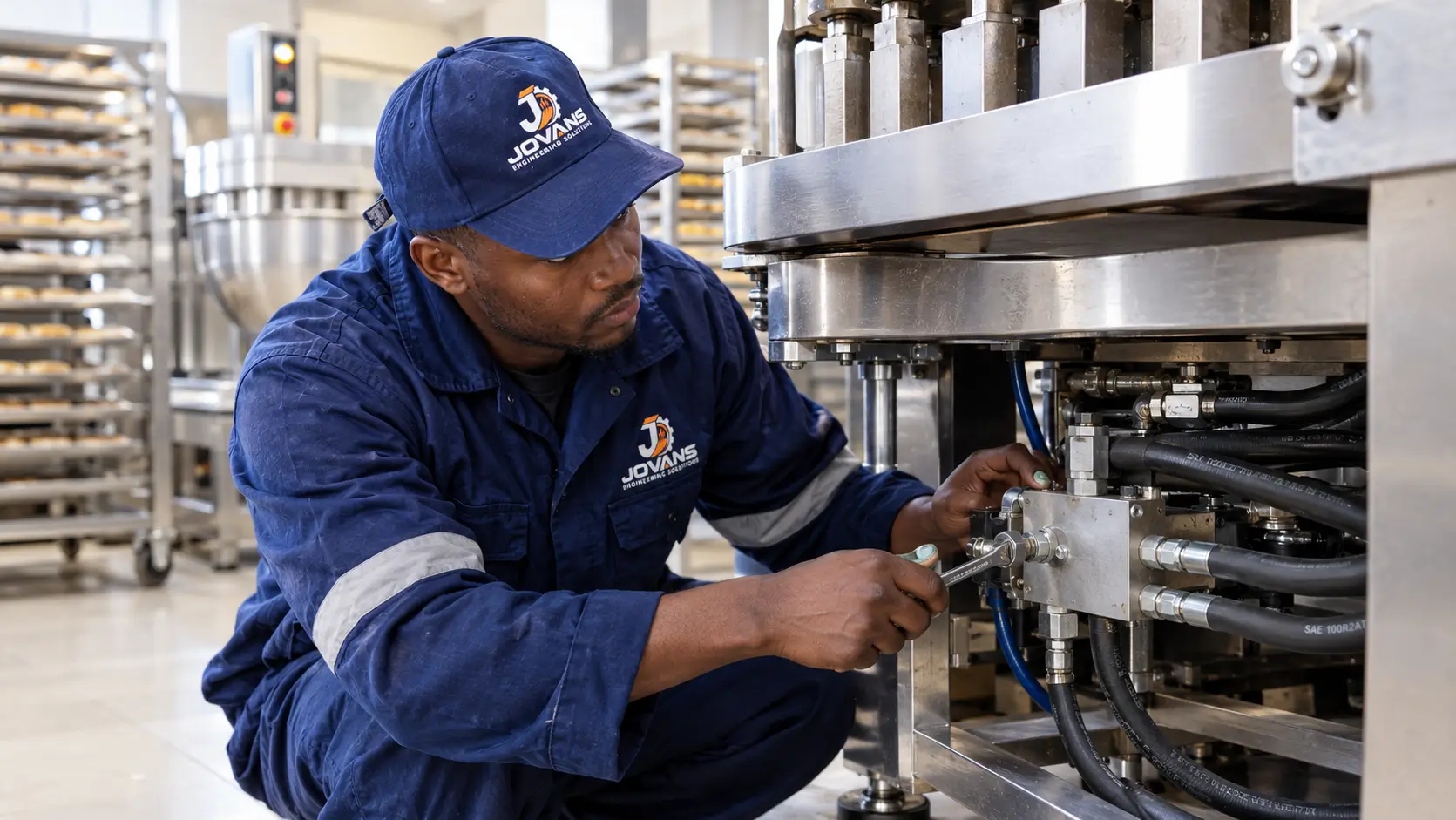
If the divider head has shifted slightly out of alignment, whether from wear, a loose mounting, or an impact, the pressure across the piston grid stops being applied evenly even if the hydraulic system itself is working correctly. This fault can be harder to spot than a pressure or blade issue, since everything looks mechanically normal, but it produces the same telltale sign: a consistent pattern of unevenness tied to position within the grid rather than random variation.
When It’s Not The Machine At All
Before booking a repair visit, it’s worth ruling out dough consistency itself. Dough that’s too dry, too wet, or at an inconsistent temperature across the batch can produce uneven portions even from a perfectly functioning divider, since the machine is applying consistent pressure to dough that isn’t behaving consistently. This is one of the more common reasons a divider gets blamed for a fault that’s actually upstream in mixing or proofing, worth reviewing alongside our guide to dough mixer motor warning signs if inconsistent dough itself seems like the more likely cause.
Dough Divider Fault Quick Reference
The table below maps common symptoms to their most likely cause, based on the pattern our technicians see across dough divider repair Kenya callouts.
| Symptom | Most likely cause | Urgency |
|---|---|---|
| Consistent weight difference by grid position | Uneven hydraulic pressure distribution | Book a visit soon |
| Rough or torn cut edges plus weight variation | Worn or damaged cutting blades | Book a visit soon |
| Dough sticking to plate or pistons | Lubrication or oil system fault | Book a visit soon |
| Unevenness with no visible mechanical fault | Divider head misalignment | Book a visit soon |
| Random, inconsistent portion variation | Dough consistency, not a machine fault | Check mixing and proofing first |
What To Check Yourself, And What Needs A Technician
Weighing portions across different grid positions, checking for visible dough sticking, and reviewing dough consistency are all safe to do yourself before calling a technician. Opening the hydraulic system, adjusting blade alignment, or repositioning the divider head should always go to a professional, since these require both mechanical precision and an understanding of how the pressure system is meant to distribute force evenly. Sharing which grid positions are producing off-weight portions helps a technician narrow down the cause before they even arrive.
Portions Coming Out Uneven?
Our dough divider repair Kenya technicians diagnose faults by isolating whether the issue is hydraulic, mechanical, or upstream in your dough itself, so you’re not paying for a repair that won’t actually fix the problem. Book a visit or reach out directly.
Frequently Asked Questions
Why is my dough divider cutting uneven portions if nothing looks broken?
This is the most common reason bakeries book dough divider repair Kenya visits: uneven hydraulic pressure distribution or a slightly misaligned divider head can both cause inconsistent portions without any visibly broken part, since the fault is in how force is applied rather than a failed component.
How can I tell if it’s the divider or the dough itself causing uneven portions?
A machine fault usually produces a consistent pattern tied to grid position, one side or corner always off. Random, inconsistent variation with no positional pattern more often points to dough consistency rather than the machine.
Why is dough sticking to my divider’s pistons?
Most dividers rely on a light oil coating for clean release, and a clogged oil line, empty reservoir, or faulty oil pump can all interrupt that system, causing dough to stick instead of releasing cleanly.
Can worn blades really affect portion weight, not just the cut quality?
Yes. A blade that tears instead of cutting cleanly distorts the portion right at the cut line, which affects the weight of both adjacent pieces, not just how clean the edge looks.
Is dough divider repair Kenya wide typically a quick fix?
It depends on the cause. Lubrication system issues and blade wear are often straightforward, while hydraulic pressure faults and head misalignment usually need a more thorough diagnostic visit to resolve properly.