
Troubleshooting Guide
Proofer repair Kenya guide: the most common reasons a proofer won’t hold temperature or humidity, what you can check yourself, and when to call a technician.
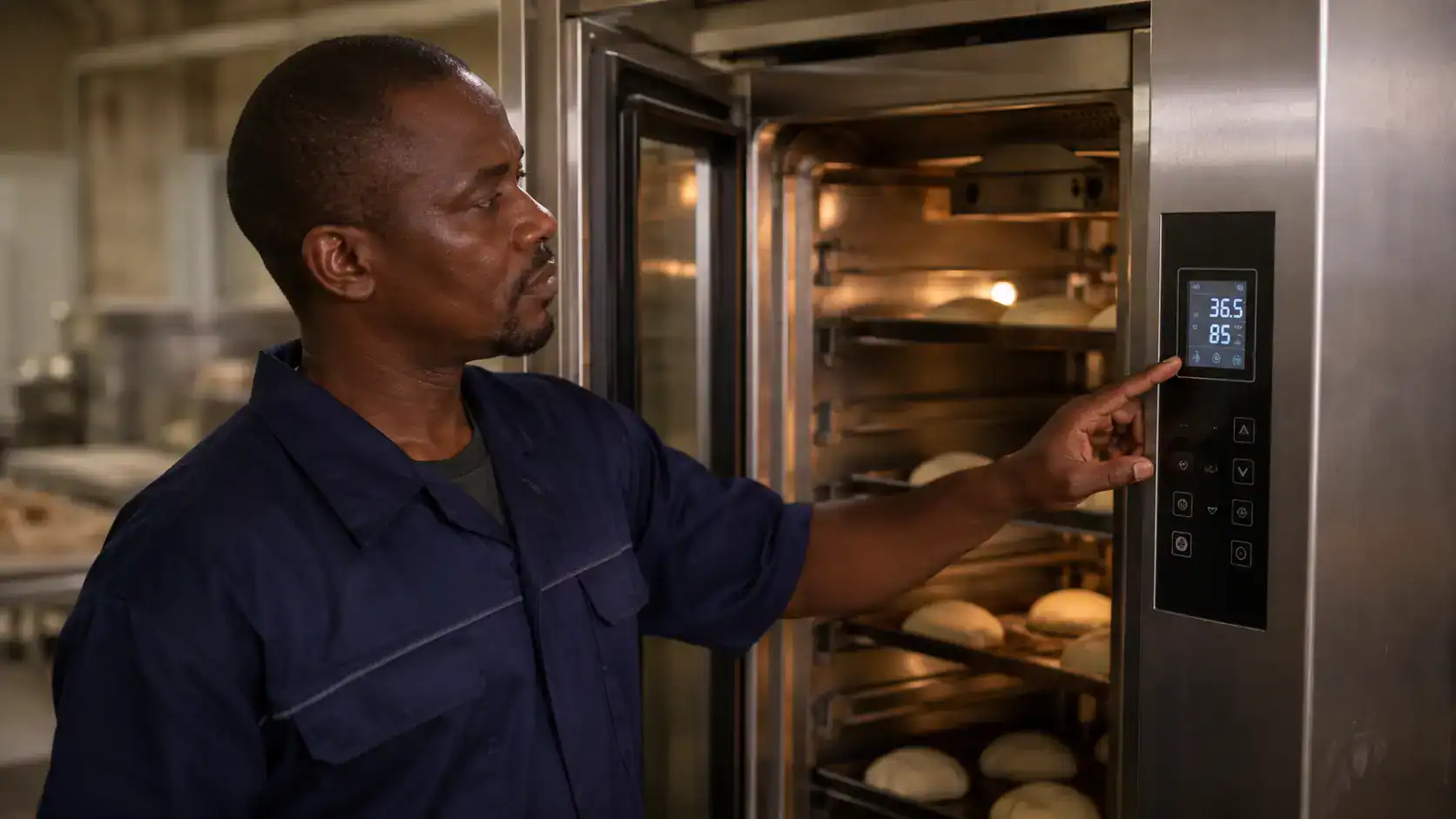
If your dough isn’t rising the way it used to, or your proofer’s display says one temperature while the dough inside tells a different story, the cabinet is failing to hold the stable, humid environment fermentation actually needs. Proofing is one of the most sensitive stages in bread production, since yeast activity depends on a narrow temperature and humidity range, and even a small drift can mean underproofed, overproofed, or dense, uneven loaves further down the line. A proofer repair Kenya bakeries book for this issue is almost always traceable to one of a small handful of causes, and knowing which one you’re dealing with saves both wasted dough and an unnecessary callout.
This guide walks through the most common reasons a proofer stops holding temperature or humidity, what is actually happening inside the cabinet in each case, how to check for it safely, and when the fix needs a qualified technician rather than a quick adjustment. This is the same diagnostic order our technicians work through on every proofer repair Kenya callout, whether the cabinet is a walk-in, reach-in, or retarder proofer combination unit.
How A Proofer Is Supposed To Hold Temperature And Humidity
A proofing cabinet depends on several systems working in balance. A heating element or heat exchanger raises and maintains cabinet temperature, usually somewhere between 27 and 38 degrees Celsius depending on the dough and recipe. A humidity system, typically a water reservoir feeding a steam generator or misting element, keeps relative humidity high enough that the dough surface doesn’t dry out or form a skin. A thermostat and humidity sensor constantly monitor both readings and cycle the heating and humidity systems on and off to hold a stable set point. And the cabinet itself needs a tight seal, since a proofer is essentially trying to hold a small, controlled microclimate inside a space that is opened and closed repeatedly throughout the day.
When bakers describe a proofer not holding temperature or humidity, the cause almost always sits in one of these four systems. Working through them in order is the same approach our technicians take on every proofer repair Kenya visit, and it usually narrows the fault down before any panels even need to come off.
1. Door Seal Damage Or Gaps
A proofer works hard to hold both warmth and moisture inside a relatively small space, which makes it especially sensitive to seal condition compared to a standard oven. A worn, torn, or compressed door gasket lets both heat and humidity escape continuously, not just when the door is opened, and the cabinet’s heating and humidity systems end up running almost constantly just to compensate, often without ever fully catching up.
Door seals are one of the more accessible DIY replacements once you have the correct part for your exact cabinet model, though getting the wrong profile or size is a common mistake, so many bakers have a technician confirm the part before ordering. This is one of the most frequent causes behind a proofer repair Kenya callout, since a failing seal is easy to overlook until the readings start drifting noticeably.
2. Faulty Temperature Sensor Or Thermostat
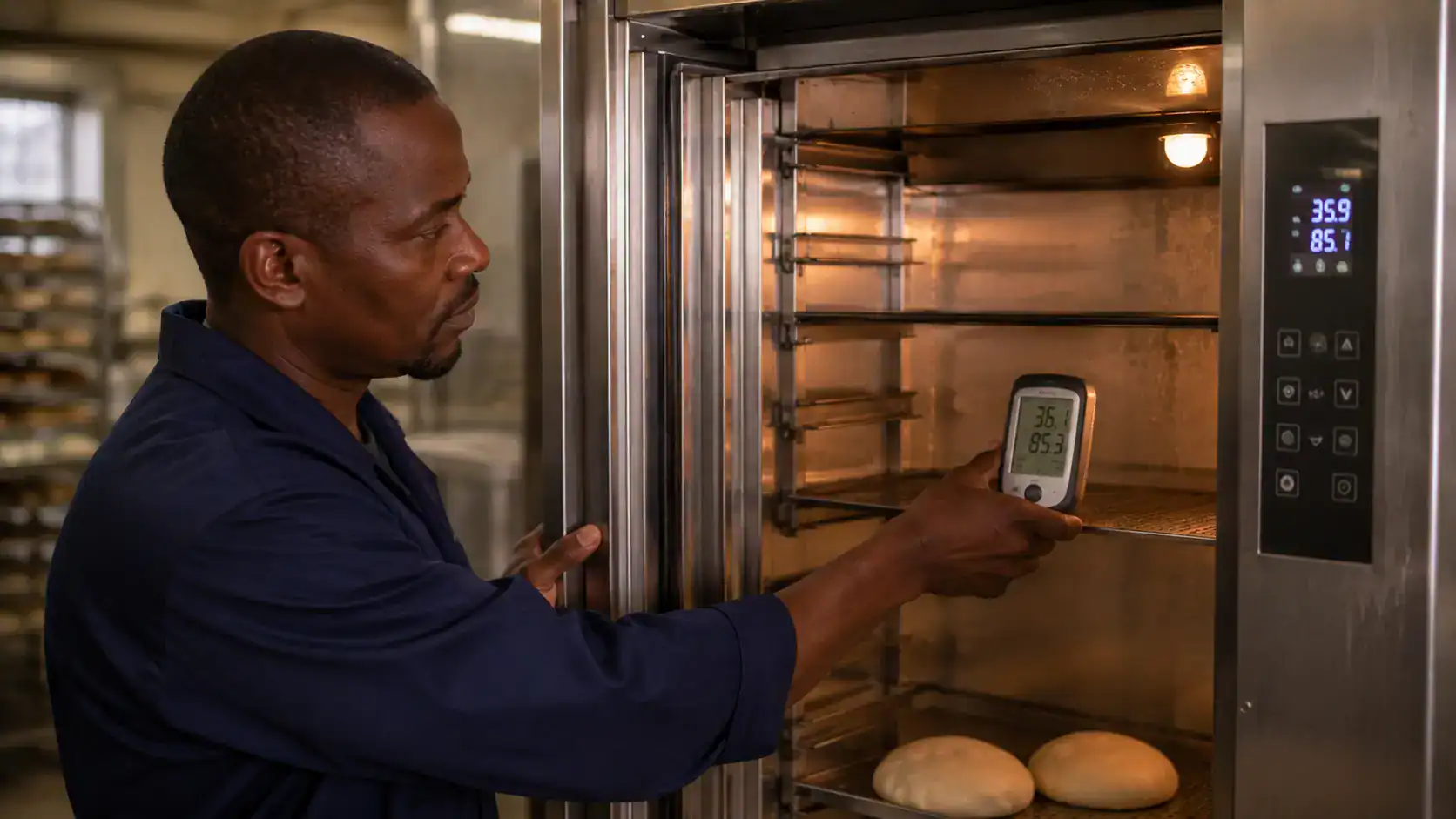
The thermostat and its sensor tell the proofer when to cycle its heating element on and off. When the sensor drifts out of calibration, which tends to happen gradually as it’s exposed to constant heat and humidity cycling, the displayed temperature stops matching what the dough is actually experiencing inside the cabinet. This can show up as a proofer that seems to hold a stable reading on the display while dough consistently under or overproofs, since the sensor itself is reporting inaccurate numbers.
Recalibration is sometimes possible on site, but a full sensor or control board replacement needs a technician, particularly on digital or programmable proofers where the fix involves the control electronics rather than a simple mechanical adjustment. This is a routine part of most proofer repair Kenya visits, since sensor drift is frequently mistaken for a bigger mechanical fault than it actually is.
3. Humidity System Faults: Water Supply, Steam Generator, Or Humidity Sensor
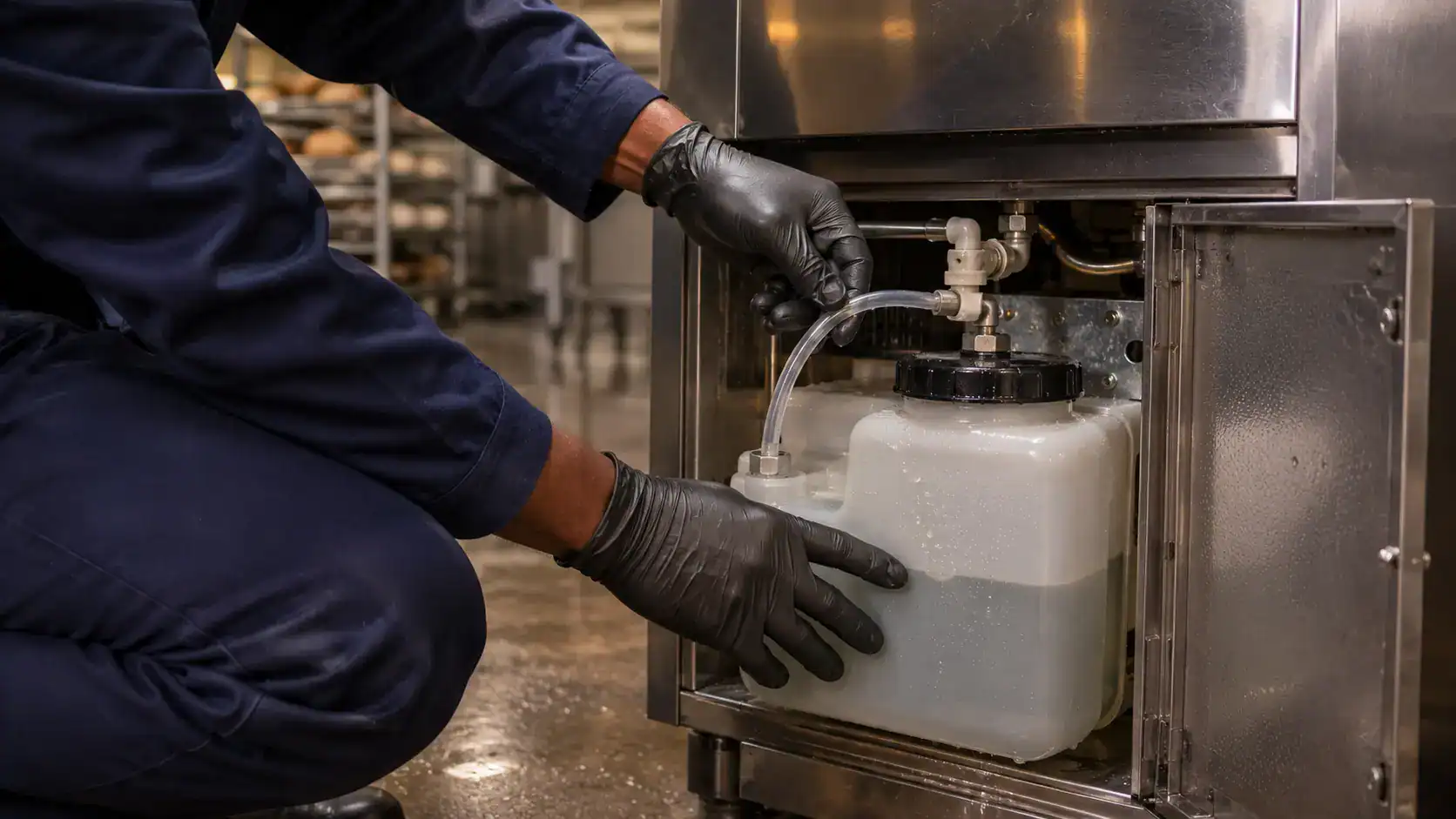
Even when temperature holds steady, humidity is its own separate system and fails independently just as often. A low or empty water reservoir on manually filled units is the simplest cause, but plumbed units can also lose humidity from a clogged supply line, a failing solenoid valve, or mineral scale building up inside the steam generator or misting element until it can no longer produce enough vapour. A faulty humidity sensor causes the same kind of misleading readings as a temperature sensor fault, where the display shows one number while the dough surface is visibly drying out or forming a skin.
Water supply issues and reservoir refills are safe to check and top up yourself. Anything involving the steam generator, solenoid valve, or internal humidity sensor should go to a professional, since these components are usually tied into the same electrical and plumbing systems that also need proper isolation before opening.
4. Poor Air Circulation From A Weak Or Blocked Fan
Many proofing cabinets use a fan to distribute warm, humid air evenly throughout the chamber, and a weak, dirty, or partially blocked fan produces uneven proofing even when the heating and humidity systems themselves are working correctly. Trays loaded too close together or packed against vents restrict airflow in the same way, regardless of how well the fan is functioning. This often shows up as some shelves proofing normally while others lag noticeably behind, rather than the whole cabinet losing temperature or humidity uniformly.
Reduced loading and basic cleaning around accessible vents can resolve minor cases. If circulation problems continue, the fan motor, bearings, or blade assembly likely need professional inspection as part of a scheduled commercial equipment maintenance visit.
5. Mineral Buildup Or Scale In The Humidity System
Hard water is one of the most common long-term causes of gradually declining humidity performance, especially in areas with high mineral content in the water supply. Scale builds up inside steam generators, misting nozzles, and water lines over months, slowly restricting flow until the system can no longer produce enough humidity even though it appears to be running normally. This tends to develop slowly, so many bakers notice their proofer performing worse over several weeks rather than failing suddenly.
Descaling the humidity system is a job for a technician, since it usually involves disassembling components that are also connected to electrical heating elements. Regular descaling as part of a maintenance schedule prevents most of this before it becomes a full proofer repair Kenya callout.
Quick Reference Table
The table below maps the symptom you’re seeing to the most likely underlying cause, based on the diagnostic order described above, and mirrors the checklist our team runs through on every proofer repair Kenya visit.
| What you’re seeing | Most likely cause |
|---|---|
| Cabinet never quite reaches or holds set temperature | Door seal damage |
| Display reads normal but dough consistently under or overproofs | Temperature or humidity sensor drift |
| Dough surface dries out or forms a skin | Water supply, steam generator, or humidity sensor fault |
| Some shelves proof well, others lag behind | Weak fan or poor air circulation |
| Humidity has declined gradually over weeks or months | Mineral scale buildup in the humidity system |
The Real Cost Of Waiting
A proofer that won’t hold temperature or humidity affects every batch that passes through it, which makes it one of the more expensive faults to leave unaddressed. Inconsistent dough quality leads to underproofed loaves that don’t rise properly in the oven, or overproofed dough that collapses or develops an overly sour flavour. Wasted ingredients and rework pile up fast when an entire proofing batch has to be discarded rather than baked. Product quality issues affect customer trust in ways that are often more visible to customers than an oven or mixer fault, since proofing problems show up directly in the final loaf. This is why most bakeries treat proofer temperature and humidity drift as worth investigating quickly, since an early proofer repair Kenya visit is almost always cheaper than the batches lost while the problem continues.
When To DIY Versus When To Call A Technician
It is safe to check and refill the water reservoir, inspect and confirm door seal condition, verify tray loading isn’t blocking airflow, and compare dough performance across different shelves yourself. Anything involving the heating element, thermostat or humidity sensor, steam generator, solenoid valves, control board, or internal wiring should always go to a professional. Working inside live electrical or plumbed components without the right isolation procedure carries real safety risk, and an incorrect adjustment can turn a straightforward sensor or seal issue into a much larger repair. When in doubt, a short proofer repair Kenya assessment is far cheaper than a mistake, and a qualified bakery equipment technician can often tell you over the phone whether what you’re seeing needs an urgent visit or can wait for a scheduled one.
Get Consistent Proofing Back
Our technicians handle proofer repair Kenya wide, from walk-in proofing rooms to reach-in and retarder proofer combination units, across bakeries of every size, and every visit follows the same diagnostic process outlined above. If your proofer isn’t holding temperature, humidity, or both, our emergency repair service gets a technician to you fast, or you can book a standard equipment repair visit if the issue is not urgent yet. We also offer scheduled preventive maintenance plans that catch seal wear and mineral buildup before they start affecting your dough.
Frequently Asked Questions
How do I know if my proofer problem is temperature or humidity related?
Check the dough surface. Dry, skinned, or crusted dough usually points to a humidity issue, while dough that consistently under or overproofs despite a normal-looking display more often points to a temperature sensor problem, though the two can also happen together.
Can hard water actually affect proofer performance?
Yes. Mineral buildup from hard water gradually restricts steam generators and misting nozzles, which is one of the more common reasons a proofer’s humidity performance declines slowly over weeks or months rather than failing suddenly.
How long does a typical proofer repair take?
Door seal replacement and reservoir or supply line issues can often be resolved in a single visit. Sensor, control board, or steam generator repairs depend on parts availability, but our technicians carry commonly needed parts for most standard commercial proofer models used across Kenyan bakeries.
How much does a proofer repair in Kenya typically cost?
Pricing depends on the specific fault, but door seal, sensor, and reservoir related repairs are far cheaper than a steam generator or control board replacement, which is why an early diagnostic visit usually pays for itself.
Do you offer emergency callouts if a proofer stops working completely?
Yes. Our emergency repair line is available for bakeries that cannot afford downtime, and a bakery equipment technician can usually reach you the same day within our service areas for any proofer repair Kenya wide.
Is a proofer temperature and humidity issue a food safety concern?
A proofer holding the wrong temperature for extended periods can allow dough to sit too warm for too long, which affects both product quality and safety margins. Keeping proofing equipment properly calibrated supports the same hygiene and process standards that apply to bread production more broadly, including Kenya Bureau of Standards (KEBS) bread specification standards that bakeries producing for retail are expected to meet.