Pricing Guide
Buying the machine is only part of the budget. Here’s what actually shapes bakery equipment installation cost in Kenya, from site prep to final commissioning.
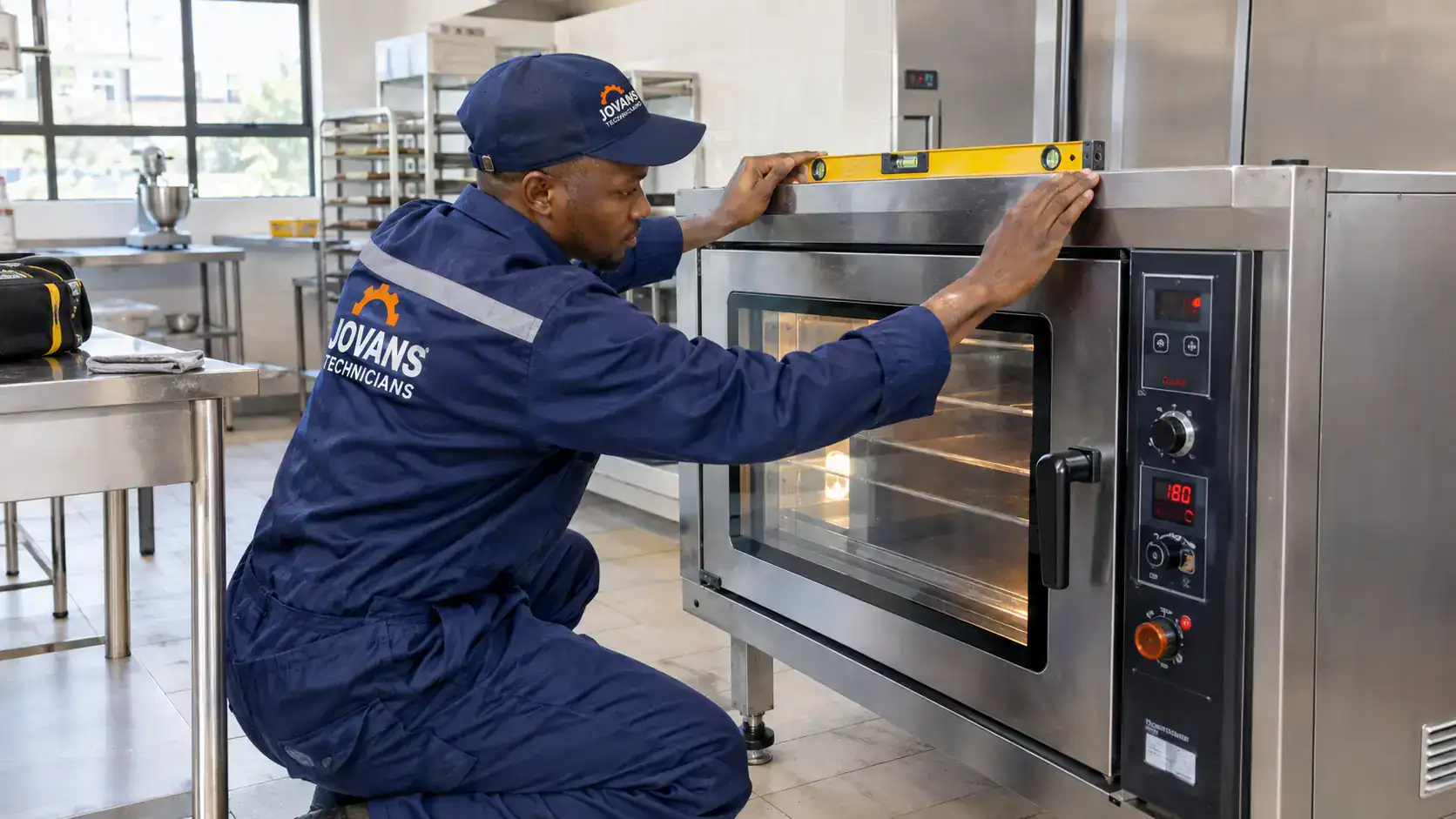
A lot of bakeries budget carefully for the equipment itself and then treat installation as an afterthought, something a technician will “just sort out” once the machine arrives. That assumption causes more surprise costs than almost anything else in a bakery fit-out. Bakery equipment installation cost in Kenya depends on far more than lifting a machine into place: site preparation, gas or electrical connection work, ventilation requirements, and commissioning all factor into what a proper installation actually costs.
This matters most for anyone bringing in a new deck oven, spiral mixer, or refrigeration unit for the first time, or relocating existing equipment to a new site. Understanding what drives the price before you budget helps you avoid the two most common installation mistakes: underbudgeting for site prep, or hiring an uncertified installer to save money upfront and paying far more for it later.
Why Installation Isn’t Just “Plug It In”
Commercial bakery equipment is heavier, draws more power, and in many cases needs gas or ventilation infrastructure that a typical kitchen socket or extraction fan was never designed for. A proper bakery equipment installation involves positioning and leveling the machine correctly, running the right electrical or gas connections to code, verifying ventilation and clearance requirements, and testing the equipment under load before handing it over. Skipping any of these steps doesn’t just risk a slower breakdown, it can create a genuine safety hazard, particularly with gas-fired ovens.
What Drives Bakery Equipment Installation Cost
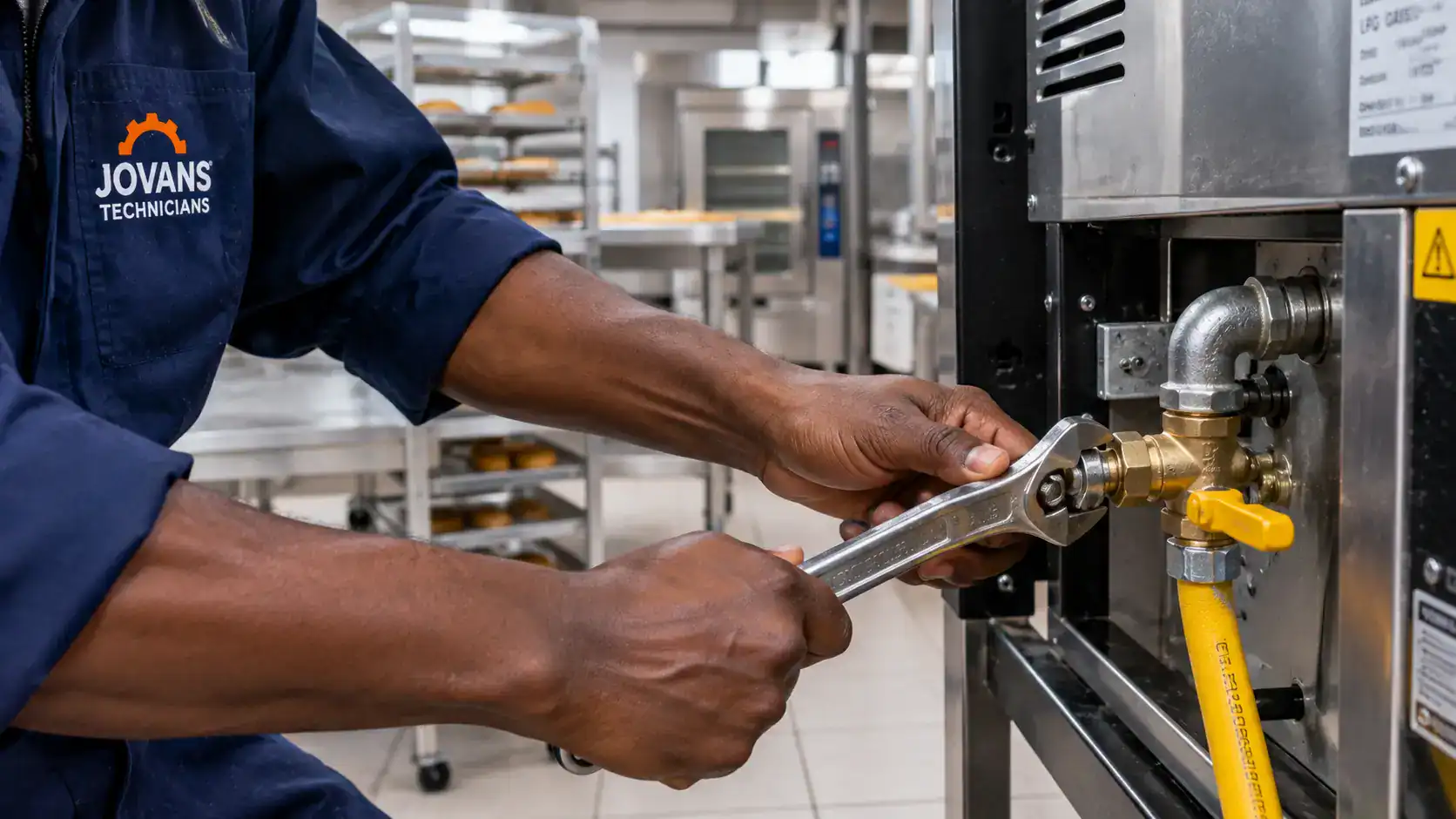
Several factors move installation pricing more than the machine’s purchase price alone. Equipment type and size matter first: a countertop unit needs far less work than a full-size rotary rack oven or a large-capacity spiral mixer. Power source is a major factor too, since gas-fired equipment requires certified gas line work and safety testing that electric equipment doesn’t, which is why our gas and burner services are often bundled directly into a gas equipment installation rather than treated as a separate job.
Site accessibility plays a bigger role than most people expect. A ground-floor kitchen with a wide doorway is straightforward. A machine that has to go up a narrow staircase, through a tight doorway, or into a space that needs structural adjustment adds real labor time. Ventilation and extraction requirements matter as well, particularly for ovens, since inadequate extraction is one of the most common causes of the uneven heating and airflow problems we cover in other equipment guides. Finally, whether you’re installing one machine or fitting out an entire kitchen at once changes the per-machine cost, since a multi-machine installation shares setup and travel time across several units.
New Equipment Versus Reinstalling Existing Equipment
Installing a brand-new machine and relocating or reinstalling an existing one are priced differently. New equipment installation typically includes unboxing, initial setup, and first-time commissioning. Reinstalling existing equipment, whether you’re moving to a new premises or repositioning within the same kitchen, usually involves disconnecting the unit safely first, which adds a step but often skips some of the initial setup work a brand-new machine needs. If the equipment being relocated is older and hasn’t been serviced in a while, it’s often worth pairing the reinstallation with an inspection, since our equipment refurbishment service can address wear issues while the machine is already disconnected and accessible, rather than discovering them after it’s already back in service.
Relative Installation Cost By Job Type
Exact bakery equipment installation cost depends on the specific machine, site conditions, and power requirements, so treat the tiers below as a general guide rather than a fixed price list.
| Job type | Typical complexity | Relative cost tier |
|---|---|---|
| Single electric machine, straightforward access | Low, standard electrical connection | Low |
| Single gas-fired machine | Moderate, requires certified gas line work | Moderate |
| Reinstallation or relocation of existing equipment | Moderate, disconnection plus reinstallation | Moderate |
| Difficult site access (stairs, tight doorways) | Moderate to high, added labor time | Moderate to high |
| Full multi-machine kitchen fit-out | High, but lower per-machine cost | High overall, efficient per unit |
Why Uncertified Installation Costs More In The End
It’s tempting to save money by having equipment installed informally, especially gas equipment. This is a genuinely risky shortcut. A poorly sealed gas connection can lead to exactly the kind of hissing and leak risk covered in our guide to strange bakery equipment noises, which is always treated as an emergency safety issue once it’s discovered. Beyond the safety risk, incorrect installation often voids manufacturer warranties outright, and mistakes made during setup, like poor leveling or incorrect electrical loading, tend to show up later as the exact mechanical and electrical faults that drive up bakery equipment repair cost down the line. A slightly higher installation cost upfront from a certified technician is almost always cheaper than the repair bill and safety risk that follows a bad one.
Planning A New Installation?
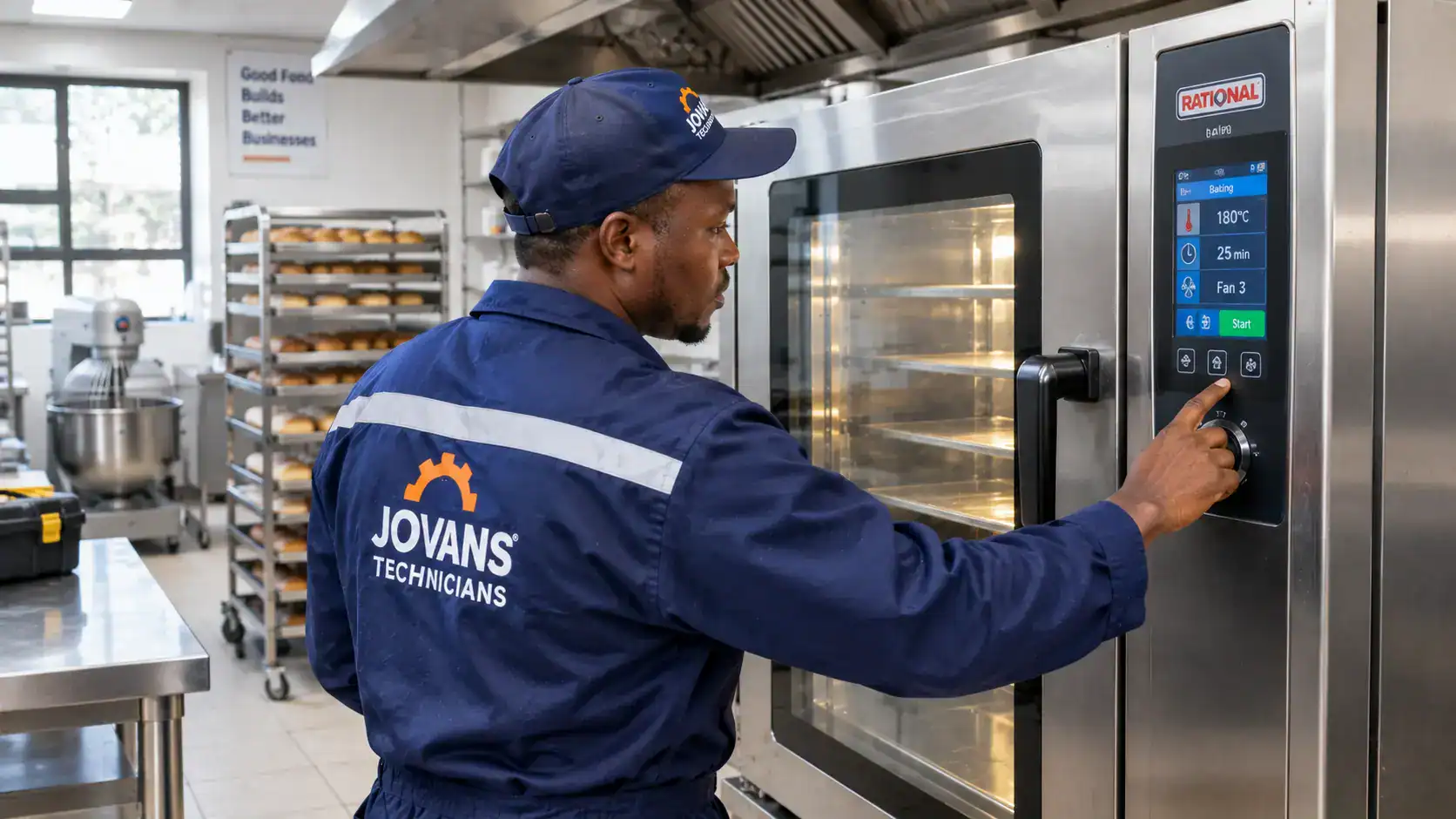
Whether you’re bringing in one new machine or fitting out a full kitchen, our technicians can walk your site, confirm what your equipment actually needs, and give you a clear bakery equipment installation cost estimate before work begins. Gas connections are handled to full safety standard as part of the job, not treated as an afterthought.
Frequently Asked Questions
Why does bakery equipment installation cost more for gas equipment than electric?
Bakery equipment installation cost rises for gas equipment because it requires certified gas line connection and safety testing that electric equipment doesn’t need, which adds both labor and compliance steps to the job.
Is it cheaper to install several machines at once?
Usually yes on a per-machine basis, since setup and travel time are shared across the whole job rather than billed separately for each unit.
Does moving equipment to a new location cost the same as a first-time installation?
Not exactly. Relocation involves safely disconnecting the equipment first, which adds a step, but it can skip some of the initial setup a brand-new machine requires, so the total often lands in a similar range.
What happens if I use an uncertified installer to save money?
You risk voiding the manufacturer’s warranty, and installation mistakes like poor leveling or incorrect gas sealing tend to surface later as mechanical faults or, in the worst case, a genuine gas safety hazard.
Should I get equipment inspected before installing it if it’s not brand new?
Yes, particularly for equipment being relocated after sitting unused for a while. It’s often more efficient to address wear issues while the machine is already disconnected and accessible rather than after it’s back in service.